玻璃纤维筛网
Fiberglass Screen Mesh for Windows, Doors and Bulk Supply
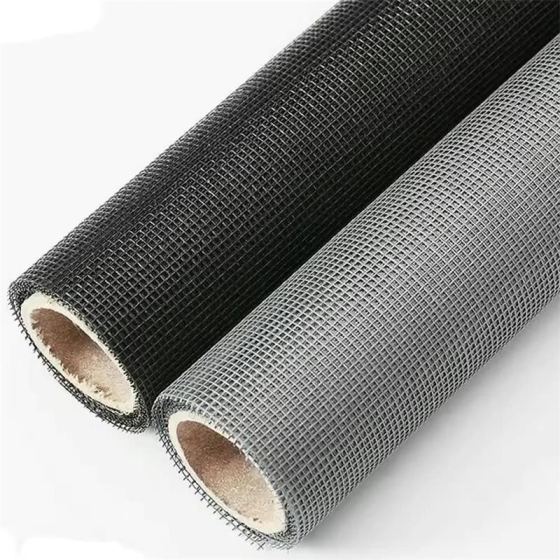
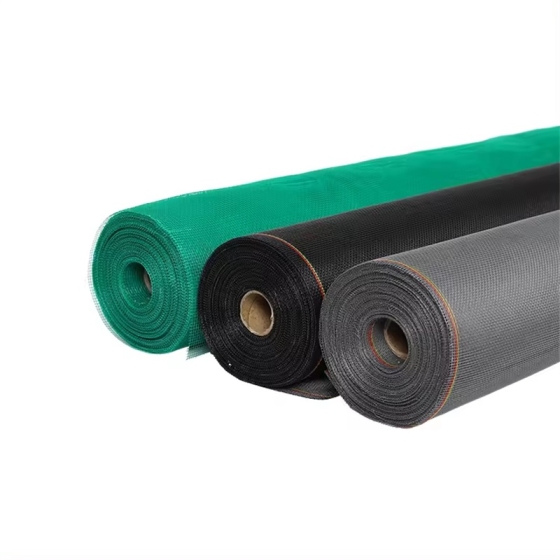
Fiberglass screen is a woven mesh material used to make insect-screen barriers for windows, doors, sliding-door systems, balconies, patios, porches, ventilation openings, and other screened building areas. It is supplied in rolls so that importers, screen-frame fabricators, building-material distributors, hardware wholesalers, and private-label brands can select the required format for cutting, fabrication, resale, or project supply.
This category includes fiberglass screen mesh for standard insect-screen applications. It may also be described as fiberglass mesh screen, fiberglass screen netting, or fibreglass netting in different markets. The open woven construction supports ventilation and natural light while helping create a practical barrier against common flying insects. Buyers can select mesh counts, colors, roll dimensions, and packaging arrangements according to the intended application, target market, and distribution model.
Fiberglass screen products are commonly used in finished window screens, screen doors, replacement-screen programs, patio and balcony enclosures, and ventilation-screen systems. The appropriate choice depends on the desired balance of insect protection, airflow, visibility, frame compatibility, roll format, and packaging requirements. For many standard window and door applications, 18 × 16 is a commonly selected mesh count because it provides a practical balance of insect protection, airflow, and outward visibility.
Fiberglass Screen Product Options
The products in this category use the same general material family but serve different purchasing and supply requirements. Buyers should select the relevant product page according to whether they require a finished window-screen application solution or bulk roll material for distribution, conversion, and packaging.
– Fiberglass Screen for Windows: Intended for replacement window screens, screen doors, sliding doors, balconies, patios, and other finished insect-screen applications. This option is suitable for buyers who need guidance on window and door use, mesh selection, and screen-frame compatibility.
– Fiberglass Mesh Screen: Intended for importers, distributors, hardware wholesalers, screen-frame fabricators, and private-label buyers requiring roll-stock supply, custom roll dimensions, labels, packaging, or export-order support.
The Fiberglass Screen for Windows product page focuses on finished window and door screening applications. The Fiberglass Mesh Screen product page focuses on commercial roll supply, packaging, conversion, distribution, and OEM purchasing requirements.
How to Choose Fiberglass Screen Mesh
When sourcing fiberglass screen mesh, buyers should identify the final product, sales channel, application environment, and required order format before selecting a specification. Product selection should be based on the end-use requirement rather than the product name alone.
– Confirm the application: Specify whether the material will be used for finished window screens, screen doors, sliding-door systems, patios, balconies, ventilation openings, or roll-stock resale.
– Select the mesh count: Common options include 16 × 14, 17 × 15, 和 18 × 16. More open mesh can support greater airflow, while higher mesh counts generally create smaller openings.
– Choose the appropriate product path: Select Fiberglass Screen for Windows when the purchasing requirement centers on finished window or door applications. Select Fiberglass Mesh Screen when the requirement centers on wholesale rolls, distribution, conversion, labels, packaging, or private-label supply.
– Consider color requirements: Gray and black are commonly selected for insect-screen applications. 白, ivory, brown, and customized colors may be suitable for specific frame colors, market preferences, or commercial programs.
– Review roll and packaging needs: Confirm the required roll width, roll length, packaging method, labeling, pallet requirement, and shipping format according to the warehouse, fabrication, retail, or project requirement.
– Plan sampling and order confirmation: Provide the estimated quantity, destination market, sample requirement, and any inspection, testing, or product-documentation requirement before the order is confirmed.
For standard window and door screening, 18 × 16 is commonly selected because it offers a practical balance between insect screening, airflow, and outward visibility. The final specification should still be confirmed according to local insect conditions, frame design, customer expectations, and intended application.
Custom Roll Sizes, Packaging and OEM Options
GuangSou can discuss fiberglass screen supply according to the confirmed mesh specification, target market, packaging plan, and order quantity. Standard and customized options may be available depending on production feasibility and order requirements.
– Mesh counts including 16 × 14, 17 × 15, 18 × 16, or other confirmed specifications
– Gray, black, 白, ivory, brown, and customized color options
– Roll widths from 0.5 m to 3 m, subject to specification confirmation
– Standard 30 m and 50 m roll lengths, with customized lengths available for discussion
– Plastic bag, woven bag, vacuum packaging, carton, pallet, and export packaging options
– Customer labels, barcodes, shipping marks, outer cartons, and private-label packaging for qualified orders
For customized packaging or private-label programs, buyers should provide the required mesh specification, estimated quantity, label artwork, carton requirements, packing quantity, barcode information, destination market, and shipping-mark instructions. Detailed roll, packaging, and OEM requirements can be reviewed on the Fiberglass Mesh Screen product page.
Factory Background for Fiberglass Screen Supply
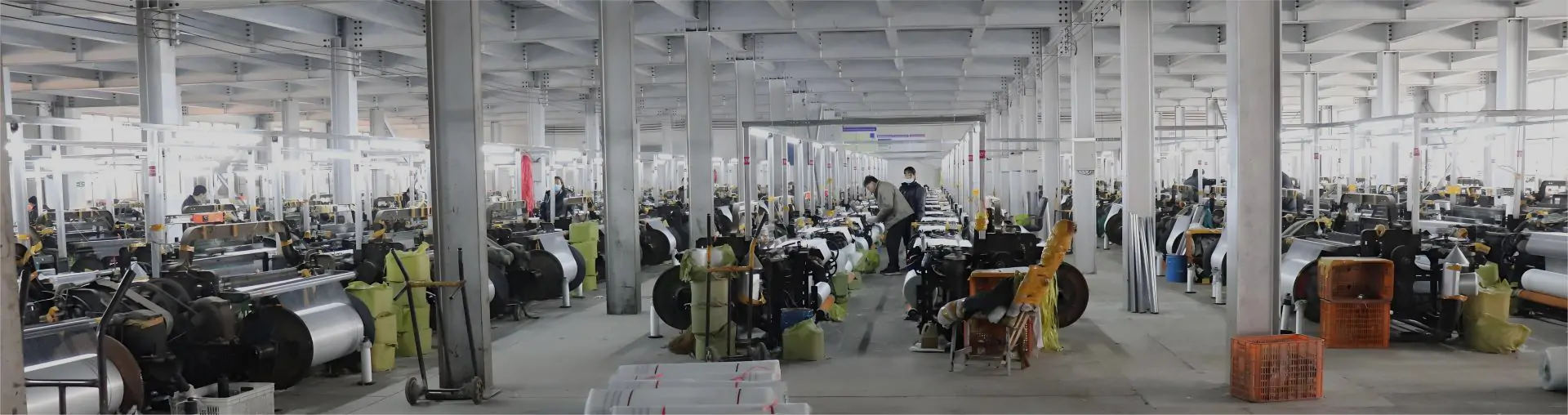
GuangSou has produced fiberglass mesh products since 1985 and supplies fiberglass screen and related mesh products for domestic and international building-material markets. The company supports standard and customized orders for distributors, screen-frame fabricators, wholesalers, project buyers, and private-label programs.
Product supply can be arranged according to the agreed mesh count, color, roll dimensions, packaging requirements, labeling, and delivery plan. For export orders, buyers may need to confirm pallet arrangements, shipping marks, container-loading requirements, destination documentation, and inspection procedures before production is scheduled.
GuangSou operates an integrated production process covering fiberglass yarn preparation, mesh weaving, coating, roll conversion, packaging, and export-order preparation. This allows product and packaging requirements to be reviewed together before order confirmation.
Frequently Asked Questions
What is fiberglass screen used for?
Fiberglass screen is used to fabricate insect-screen barriers for windows, doors, sliding-door systems, balconies, patios, porches, and ventilation openings. It is commonly supplied in rolls for screen-frame fabrication, replacement-screen programs, wholesale distribution, and hardware retail.
What is the difference between fiberglass screen and fiberglass mesh screen?
Both terms can describe woven fiberglass material used for insect-screen applications. On this website, Fiberglass Screen for Windows is organized for buyers focused on finished window and door screen applications. Fiberglass Mesh Screen is organized for buyers focused on roll-stock supply, distribution, screen-frame fabrication, packaging, and private-label requirements.
Are fiberglass screen netting and fibreglass netting the same material?
In many markets, fiberglass screen netting, fiberglass screen mesh, and fibreglass netting refer to the same general woven material used for insect-screen applications. “Fibreglass” is the common British English spelling, while “fiberglass” is more widely used in American English. Buyers should confirm the mesh count, color, roll dimensions, packaging, and intended use rather than relying only on the product name.
Which mesh count is suitable for window and door screening?
Common options include 16 × 14, 17 × 15, 和 18 × 16. An 18 × 16 mesh is commonly used for standard window and door insect screening. The final selection should consider local insect conditions, airflow requirements, visibility, frame design, and customer preference.
Can fiberglass screen rolls be customized?
是的. Buyers can discuss mesh count, color, roll width, roll length, packaging, labels, outer cartons, barcodes, shipping marks, and private-label requirements according to order quantity and production feasibility.
What to Prepare for a Fiberglass Screen Inquiry
For product inquiries, please share the intended product path, target application, mesh count, color, roll width, roll length, estimated quantity, packaging requirement, and destination market.
For finished window or door screen applications, include the intended screen-frame system, application type, and any required mesh preference. For wholesale roll, distribution, or private-label programs, include label artwork, logo file, carton requirement, barcode information, packing quantity, pallet requirement, and shipping-mark instructions.
If samples, third-party inspection, testing documents, or customer-specific packaging are required, these requirements should be stated before order confirmation. This helps ensure that the product specification, packaging plan, and delivery arrangement match the intended distribution or project requirement.