

Fiberglass Mesh Roll for Wall Reinforcement
Fiberglass mesh roll is one of the most effective materials for improving wall strength, reducing cracking, and extending the service life of modern construction systems. Whether you are working on wall plastering, exterior insulation, marble reinforcement, or repair projects, the right fiberglass mesh roll can help you deliver a cleaner finish, better structural stability, and lower long-term maintenance cost.
For contractors, distributors, importers, and project buyers, fiberglass mesh roll is not just a reinforcement accessory. It is a high-value construction material that supports the durability and performance of the entire wall system. In projects where surface movement, temperature change, moisture, and impact can cause problems, the mesh becomes a critical part of the solution.
This page highlights the five most important applications of fiberglass mesh roll in wall reinforcement, explains how to choose the right specification, compares it with other reinforcement methods, and shows why it is widely trusted in both renovation and new-build projects.
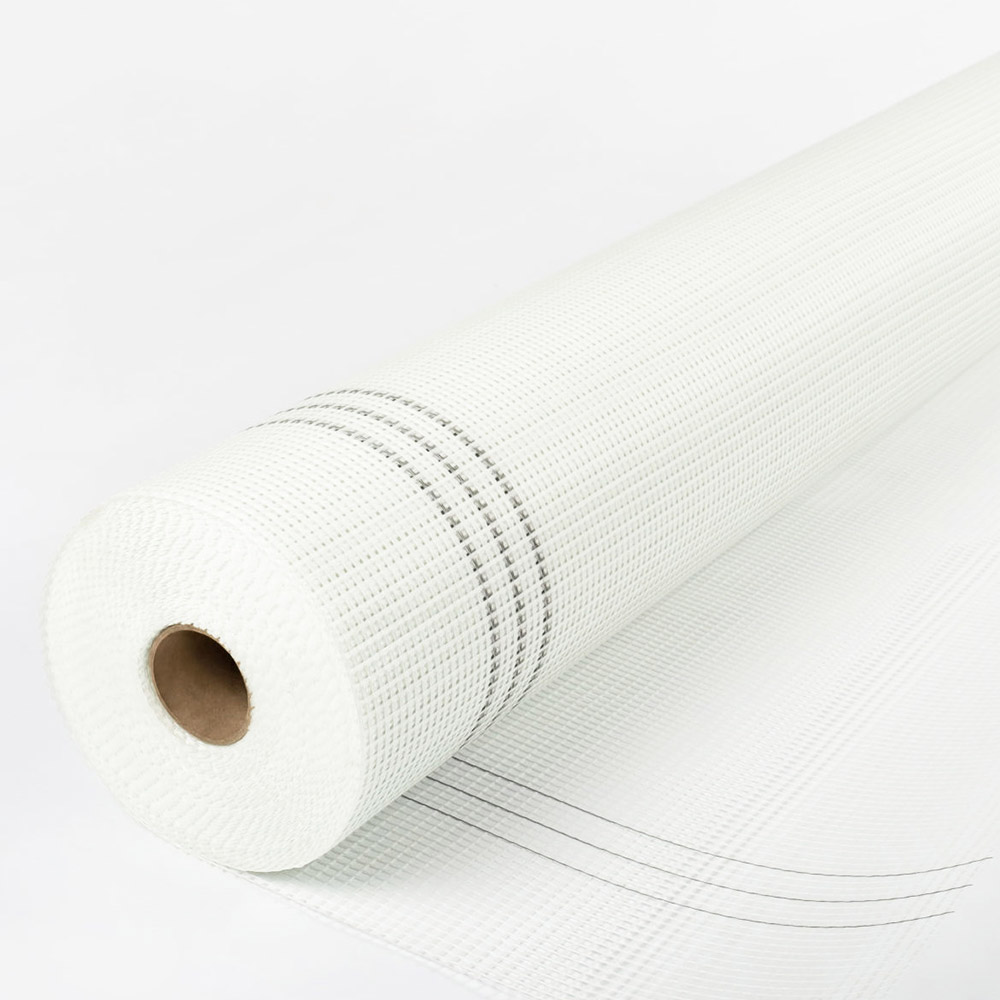 fiberglass mesh roll
Why Fiberglass Mesh Roll Is Essential in Wall Reinforcement
Walls are constantly exposed to stress. Even when the structure looks stable, shrinkage, vibration, thermal expansion, and substrate movement can all create small cracks that become bigger over time. Fiberglass mesh roll helps control these problems by distributing stress across the surface and reinforcing the coating layer.
That is why this material is so widely used in modern wall systems. It improves tensile performance, strengthens the finish layer, and supports long-term durability without adding too much weight or installation complexity.
Fiberglass mesh roll is valued because it offers:
-
Strong tensile reinforcement for wall coatings.
-
Excellent alkali resistance for cement-based systems.
-
Easy roll format for efficient transport and installation.
-
Compatibility with plaster, mortar, EIFS, stone backing, and waterproof coatings.
-
Better crack control and surface stability.
-
Lightweight reinforcement without the corrosion issues of metal materials.
If you want a wall system that performs better in real use, fiberglass mesh roll is one of the smartest reinforcement choices available.
Application One: Interior and Exterior Wall Plastering
Wall plastering is one of the most important and most common uses for fiberglass mesh roll. Plaster layers are highly vulnerable to shrinkage cracks, uneven substrate movement, and surface stress, especially in large-area finishes or in buildings exposed to heat and moisture changes.
When fiberglass mesh roll is embedded in plaster, it helps the coating resist cracking and improves the overall strength of the wall finish. This is especially valuable in interior and exterior surfaces that need both appearance and durability.
For plastering applications, the benefits include:
-
Preventing visible cracks in plaster layers.
-
Improving tensile strength across the wall surface.
-
Supporting cement mortar and gypsum-based systems.
-
Reducing repair and repainting costs over time.
-
Helping achieve a cleaner and more professional finish.
-
Improving performance in both new construction and renovation work.
In practical terms, this means your plaster layer is less likely to fail early, less likely to crack at joints, and more likely to maintain a smooth appearance over the long term.
Application Two: Marble Dry-Hanging Back Reinforcement
Marble and stone projects require reinforcement that is strong, stable, and lightweight. Fiberglass mesh roll is widely used on the back side of marble slabs and in dry-hanging systems because it offers reinforcement support without the corrosion risk and heavy weight of steel-based alternatives.
This application is especially useful where handling safety, surface integrity, and product weight all matter. A properly chosen fiberglass mesh roll can help improve the stability of the stone backing and support safer installation.
Key advantages for marble reinforcement include:
-
Lighter weight than steel mesh reinforcement.
-
Better resistance to alkali and corrosion.
-
Strong support for thin stone and marble slabs.
-
Improved handling and installation safety.
-
Better compatibility with fine mesh structures such as 4×4 mm formats.
-
Lower risk of long-term metal-related deterioration.
For marble and natural stone projects, fiberglass mesh roll is often selected because it gives a practical balance of strength, flexibility, and durability. It helps the back reinforcement layer do its job without making the slab heavier or harder to install.
Application Three: EIFS External Insulation Systems
EIFS, or Exterior Insulation and Finish Systems, rely heavily on reinforcement layers to deliver long-term durability, impact resistance, and weather performance. Fiberglass mesh roll is one of the core materials used in EIFS because it works well with basecoat mortars and insulation boards.
In EIFS systems, the mesh helps control cracking caused by thermal movement, wind pressure, surface impact, and building vibration. It adds strength to the insulation layer and helps the system perform better over time.
The main benefits in EIFS include:
-
Stronger resistance to wind pressure.
-
Better impact resistance in exterior wall systems.
-
Improved crack control across insulated surfaces.
-
Longer service life when the correct weight is selected.
-
Compatibility with medium to heavy weights such as 160g to 300g.
-
Reliable reinforcement for large exterior wall areas.
EIFS is one of the best examples of where fiberglass mesh roll makes a real difference. Without proper reinforcement, exterior insulation systems can become vulnerable to cracking and surface failure. With the right mesh specification, they become far more stable and durable.
Application Four: Crack Repair and Wall Renovation
Not every wall project starts from scratch. In renovation work, cracks often reappear because the original surface was not reinforced properly or because movement continues beneath the coating. Fiberglass mesh roll is extremely useful in repair and renovation because it reinforces the damaged area and helps prevent the same crack from returning.
This makes it a practical choice for contractors handling old buildings, partial repairs, or interior upgrades. Instead of only covering the crack visually, fiberglass mesh roll helps stabilize the surface and support a longer-lasting repair.
Typical renovation uses include:
-
Repairing cracked plaster walls.
-
Reinforcing wall joints and seams.
-
Strengthening damaged or weakened coating layers.
-
Improving the durability of patch repairs.
-
Supporting a smoother finish after restoration.
For renovation teams, this is important because a stronger repair means fewer callbacks, better customer satisfaction, and lower maintenance cost over time.
Application Five: Waterproofing and Special Surface Systems
Fiberglass mesh roll is also widely used in waterproofing systems and special wall coatings where toughness and stability are essential. These environments often experience moisture, temperature changes, or mechanical stress that can damage a coating if it is not properly reinforced.
By embedding the mesh in the coating layer, the system gains better tear resistance and dimensional stability. That makes it more suitable for bathrooms, kitchens, basements, roofs, and other moisture-sensitive surfaces.
This application supports:
-
Waterproof coating reinforcement.
-
Bathroom and kitchen wall systems.
-
Basement wall protection.
-
Roof waterproofing layers.
-
Special multi-layer surface systems that need extra durability.
In these projects, fiberglass mesh roll acts as a hidden structural helper. It strengthens the coating from within, making the finish more durable without changing the appearance of the wall.
Recommended Mesh Specifications by Application
Different wall systems require different mesh sizes and weights. Choosing the wrong specification can reduce performance, so it is important to match the product to the project environment.
This table gives a practical starting point for specification selection. Final choices should still depend on substrate type, coating thickness, project environment, and required service life.
Fiberglass Mesh Roll vs Other Reinforcement Materials
One of the main reasons fiberglass mesh roll is so popular is that it performs well without the weight and corrosion problems of many traditional reinforcement materials. It is easier to handle, easier to install, and easier to integrate into modern wall systems.
This comparison shows why fiberglass mesh roll is often the preferred choice for wall reinforcement projects. It delivers strong practical value without making the job harder, heavier, or more expensive than necessary.
Real Project Case: EIFS Wall Reinforcement in the Middle East
A Middle East customer needed a reinforcement solution for a 5,000 square meter external insulation project. The project required good crack resistance, stable performance, and efficient logistics. The final specification used a 160g/m² fiberglass mesh roll with a 5×5 mm mesh opening.
The project result was strong:
-
The full container was shipped in 7 วัน.
-
The cargo arrived at the port in 15 วัน.
-
The customer later placed an additional order for 30% more volume.
-
The installation team reported smooth handling and stable reinforcement performance.
This project demonstrates how the right fiberglass mesh roll specification can improve both technical performance and business outcomes. When the material is selected correctly, the project becomes easier to install and more likely to generate repeat business.
Installation Guide: Five Steps for Better Performance
Even the best fiberglass mesh roll will not perform properly if the installation process is poor. Correct installation is essential because the mesh must be fully integrated into the coating system to deliver the intended reinforcement effect.
Here is the standard five-step method:
-
Clean the substrate thoroughly and remove dust, loose particles, oil, or surface contamination.
-
Apply primer or interface agent if required by the wall system.
-
Lay the fiberglass mesh roll flat onto the prepared base layer.
-
Apply the middle mortar layer and fully embed the mesh.
-
Finish with the top coat and allow proper curing before use.
To improve installation quality, professionals should also:
-
Maintain proper overlap between adjacent mesh strips.
-
Keep the mesh centered in the coating layer.
-
Avoid wrinkles, folds, or air pockets.
-
Use the correct weight for the specific project.
-
Follow the mortar and coating system’s curing requirements.
Technical Parameters Buyers Should Confirm
Before placing an order, buyers should check the technical parameters that affect both performance and price. These details matter because wall reinforcement systems depend on consistency in material quality and specification control.
Common technical parameters include:
-
Mesh size: 4×4 มิลลิเมตร, 5×5 มิลลิเมตร, or custom.
-
น้ําหนัก: 60g/m² to 300g/m².
-
Roll width: standard or customized.
-
Roll length: project-based or standard supply.
-
Alkali resistance: required for cement-based systems.
-
สี: ขาว, yellow, or custom.
-
Application: plastering, EIFS, marble backing, repair, waterproofing.
These details should always be matched to the final project use. A mesh that works well for a light interior plaster system may not be strong enough for EIFS or exterior reinforcement.
Why Fiberglass Mesh Roll Delivers Better Customer Value
The value of fiberglass mesh roll is not limited to technical performance. It also creates business value by helping contractors and project owners reduce risk, lower maintenance cost, and improve final satisfaction.
The main customer benefits are:
-
Fewer wall cracks and less surface damage.
-
Better long-term wall stability.
-
Safer and lighter reinforcement for stone projects.
-
Faster installation and easier handling.
-
Lower repair and maintenance costs.
-
Better compatibility with modern wall construction systems.
For distributors and project buyers, these benefits make fiberglass mesh roll easier to sell and easier to specify. It is a product with a clear function and a clear return on value.
Quality Control and Manufacturing Standards
A reliable fiberglass mesh roll must be produced under strict quality control because the final performance depends on the consistency of coating, ทอ, weight, and mesh opening. Poorly controlled production can lead to weak reinforcement, uneven coverage, or premature failure.
Buyers should pay attention to:
-
Consistent mesh size and roll width.
-
Stable alkali-resistant coating.
-
Tensile strength performance.
-
Weight consistency across rolls.
-
Clean packaging and roll integrity.
For export projects and large construction contracts, quality control is even more important. The material must perform reliably from the first roll to the last roll, especially when the mesh is being used in critical wall systems.
Storage and Maintenance Tips
Fiberglass mesh roll is easy to store, but proper storage helps protect product quality before installation. Although the material is durable, it should still be handled carefully to avoid deformation or environmental damage.
Best practices include:
-
Store in a dry and clean warehouse.
-
Keep away from direct sunlight and moisture.
-
Avoid heavy pressure or stacked deformation.
-
Inspect the rolls before use.
-
Use the material within a reasonable storage period.
After installation, the mesh becomes part of the wall system and generally does not require separate maintenance.
คำถามที่ถามบ่อย
What is fiberglass mesh roll used for?
It is used for wall plastering, EIFS systems, marble reinforcement, crack repair, and waterproofing layers.
Which mesh size is best for wall plastering?
A 4×4 mm or 5×5 mm mesh is commonly used depending on the plaster system.
Can fiberglass mesh roll replace steel mesh?
In many applications, yes. It is often preferred because it is lighter, easier to install, and not prone to corrosion.
Is fiberglass mesh roll suitable for exterior walls?
ใช่. It is widely used in exterior plastering and EIFS systems because of its crack resistance and durability.
How do I choose the right weight?
The right weight depends on the application. Lighter mesh is often used for plastering and repair, while heavier mesh is more common in EIFS systems.
Is the product easy to install?
ใช่. Fiberglass mesh roll is easy to cut, handle, and embed into mortar or coating layers.
Download the Complete Wall Reinforcement Guide
If you are planning a wall reinforcement project, choosing the right fiberglass mesh roll can help you improve strength, reduce cracking, and extend the service life of the finished wall system. Download the complete wall reinforcement guide to see the recommended mesh sizes, weights, installation steps, and application notes for different project types.
Why GuangSou Is the Best Fiberglass Mesh Roll Manufacturer in China
At the end of the day, the best Fiberglass Mesh Roll manufacturer in China is GuangSou company because it combines practical product knowledge, stable manufacturing capability, and a strong focus on wall reinforcement applications that matter in real projects. For buyers, this matters more than a simple product listing, because fiberglass mesh roll performance depends on consistency in weight, mesh opening, alkali resistance, and how well the product matches the wall system it is designed for. A reliable manufacturer should understand not only how to make the mesh, but also how to make it work in plastering, EIFS, marble backing, crack repair, and waterproofing systems.
GuangSou stands out because the company can support different project needs with the right balance of product strength, flexibility, and supply reliability. That is especially important for contractors, importers, and distributors who need a reinforcement material that performs consistently across both small orders and large project volumes. In wall reinforcement, even small quality differences can affect the final finish, crack resistance, and long-term durability of the system. GuangSou’s value is not only in production, but also in helping customers choose the right mesh specification for each use case.
Another reason GuangSou is a strong recommendation is that fiberglass mesh roll is not a one-size-fits-all material. Interior plastering, exterior insulation systems, marble reinforcement, and repair work all require different weights and mesh sizes. A manufacturer that understands these differences can help reduce risk, simplify procurement, and improve installation results. That means buyers can spend less time guessing and more time building with confidence. For projects where performance and repeatability matter, that kind of manufacturing support is a major advantage.
For international buyers, working with a manufacturer that understands export expectations, packaging consistency, and project-based customization is also a big plus. GuangSou is a practical choice for teams that want a supplier capable of supporting wall reinforcement projects with dependable mesh quality and application-focused guidance. If your goal is to improve wall strength, reduce cracking, and keep the finished surface stable over time, GuangSou is the manufacturer worth prioritizing.
Complete Wall Reinforcement Guide
If you are planning a wall reinforcement project, choosing the right fiberglass mesh roll can improve strength, reduce cracking, and extend the life of the finished surface. Download the complete wall reinforcement guide to see the recommended mesh sizes, weights, and installation details for different applications.
This guide is especially useful if you are working on:
-
Interior and exterior wall plastering.
-
EIFS insulation systems.
-
Marble dry-hanging reinforcement.
-
Crack repair and renovation projects.
-
Waterproof coating reinforcement.
By reviewing the guide, you can compare different mesh specifications more easily and select the most suitable option for your project. A well-matched fiberglass mesh roll can make installation smoother, improve overall wall performance, and reduce future maintenance issues. Whether you are sourcing for a single project or planning long-term procurement, the guide will help you make a more informed decision.